- Roko's Basilisk
- Posts
- How AI Rewrites Empire
How AI Rewrites Empire
Plus: Green groups vs AI, Tiger’s new fund, and Trump phones.

Roko's Basilisk
December 15, 2025

Here’s what’s on our plate today:
🧪 How AI is reshaping global power and digital empires.
🧠 Bite-Sized Brains on datacenters, AI valuations, and Trump Mobile.
📊 Poll on whether your AI stack is sovereign or colonial.
🧭 Roko’s Pro Tip: audit dependencies and find real exit routes.
Let’s dive in. No floaties needed…

Build your startup on Framer today!

First impressions matter. With Framer, early-stage founders can launch a beautiful, production-ready site in hours. No dev team, no hassle. Join hundreds of YC-backed startups that launched here and never looked back.
One year free: Save $360 with a full year of Framer Pro, free for early-stage startups.
No code, no delays: Launch a polished site in hours, not weeks, without hiring developers.
Built to grow: Scale your site from MVP to full product with CMS, analytics, and AI localization.
Join YC-backed founders: Hundreds of top startups are already building on Framer.
Eligibility: Pre-seed and seed-stage startups, new to Framer.
*This is sponsored content
The Laboratory
How AI is reshaping global power
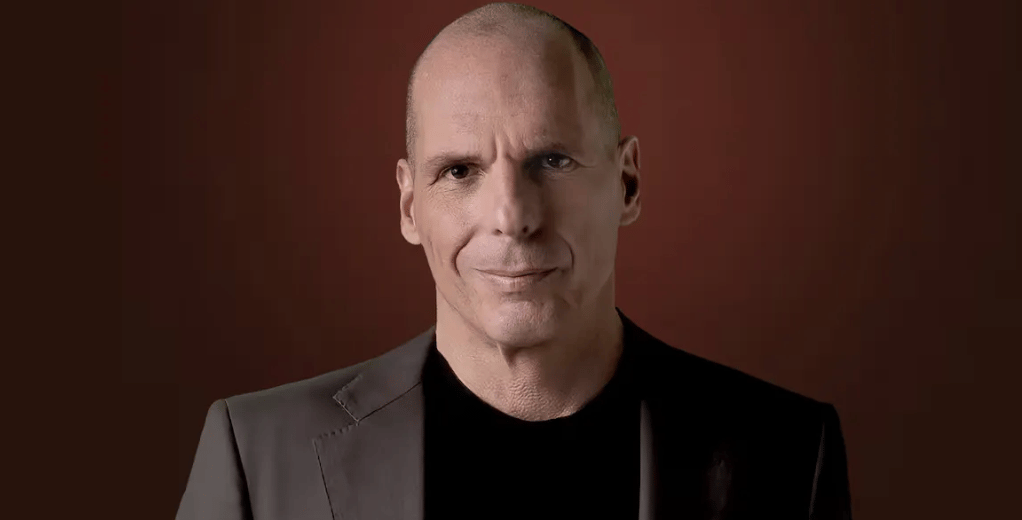
In his latest book, former Greek finance minister Yanis Varoufakis argues that companies like Apple and Meta treat users like modern-day serfs.
Photo Credit: The National News.
At the start of the twentieth century, the phrase “the sun never sets on the British Empire” was used to describe the breadth of then-colonial Britain. After the Second World War, Britain could no longer sustain its empire, which led to the independence and the declaration of several new nations.
At its height, the British Empire covered around 13.7 million square miles, representing about 24% of the Earth’s total land surface. The empire was so large that it had its presence in every inhabited continent.
In 2025, there are no physical empires that can claim to surpass or even come close to the empires that ruled in the twentieth century. However, that does not mean that empires have ceased to exist.
A new digital order
According to the former Greek finance minister and economist Yanis Varoufakis, he argues that just like traditional empires controlled large territories and populations. Big tech companies do something similar, not by geographic conquest, but by controlling digital spaces where people work, communicate, shop, and interact.
He goes as far as to suggest that capitalism has given way to a new system he calls techno-feudalism. His core idea is that tech giants replaced markets with digital platforms that behave like feudal estates.
What is AI colonialism?
Varoufakis crystallized the techno-feudalism concept in his 2023 book "Technofeudalism: What Killed Capitalism."
He argues that, unlike capitalists, where companies compete in markets, platform owners now control the markets themselves, setting rules, taking cuts of transactions, and wielding algorithmic power over participants.
Amazon extracts rent from third-party sellers; Apple extracts rent through App Store fees; Google extracts rent from advertisers who must pay to reach search users. This resembles feudal lords extracting tribute from peasants farming their land more than it resembles market competition.
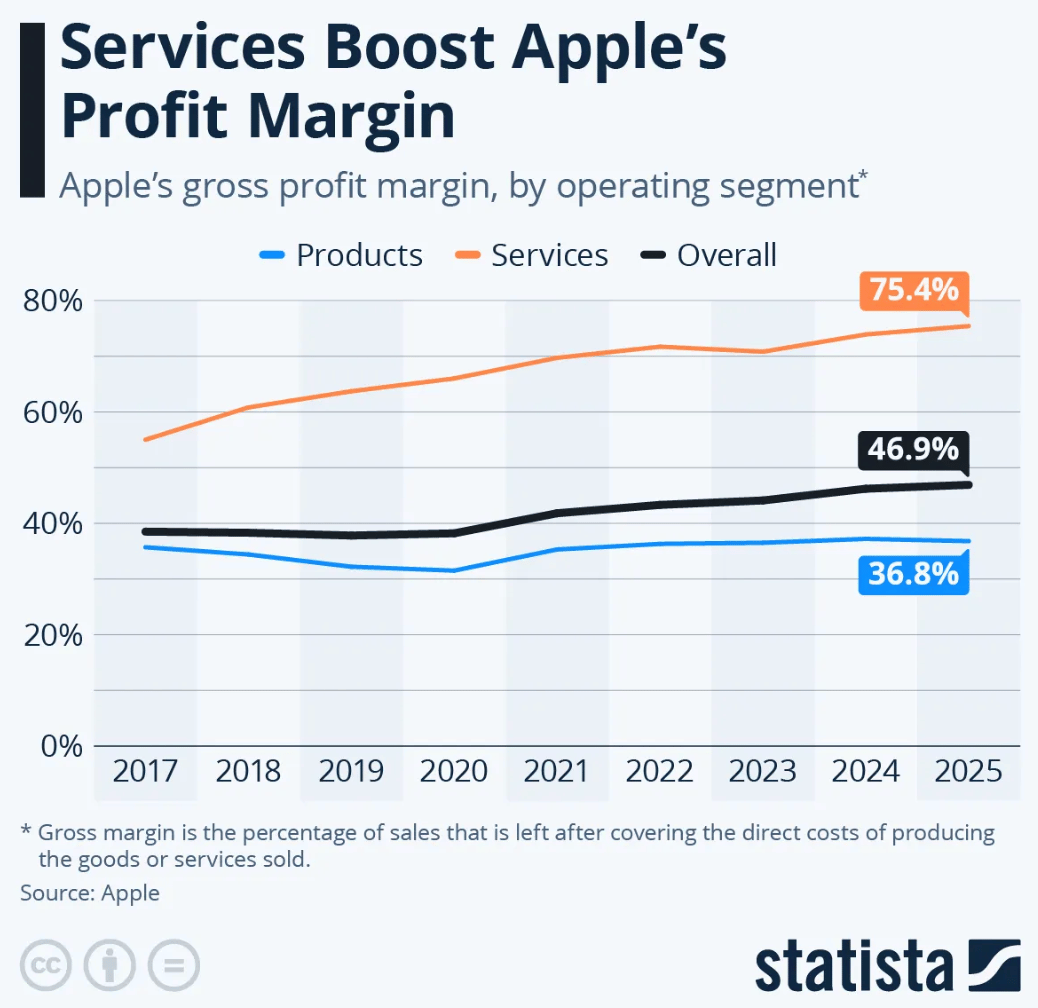
Platform companies operate with margins that traditional businesses could never sustain. Apple's services division, which primarily extracts fees from developers and users on its closed ecosystem, operates at gross margins exceeding 70%.
Amazon's AWS cloud business maintains operating margins around 30%, far above typical retail margins of 2-3%. These margins suggest rent extraction rather than competitive market dynamics.
With the advent of artificial intelligence, where companies not only control platforms, but also the algorithmic capabilities and the computing power, companies can export their technologies into countries that have little ability to build their own.
As a result, entire societies begin to rely on foreign AI models, foreign data centers, and foreign cloud policies, much like colonized regions once depended on metropolitan powers for governance and economic life.
Instead of extracting minerals or crops, these modern powers extract data. Every search query, photo upload, medical record, and language sample becomes raw material that feeds the development of AI systems. These systems are then sold back to the same populations who provided the data in the first place.
The value flows upward, away from the communities that generate it, and into the hands of the corporations that control the platforms. This mirrors the way colonial economies once extracted wealth without allowing local populations to benefit from it.
However, much like many other developments in recorded history, not everyone agrees that AI companies are emerging as digital colonial powers.

Roko Pro Tip
 | 💡 List your top 5 AI-critical dependencies: models, clouds, data pipelines, and app platforms. For each, note who owns the infra, who sets the rules, and how fast you could switch if pricing, politics, or values turned against you.If you don’t have at least one credible exit route for your most important dependency, you’re not a customer, you’re a subject. |
Visa costs are up. Growth can’t wait.
Athyna helps you build high-performing teams fast—without overspending.
Our AI-powered platform matches you with top LATAM talent tailored to your needs in just 5 days.
Hire pre-vetted professionals ready to deliver from day one and save up to 70% on salaries.
Scale smarter, faster, and more affordably with Athyna.
*This is sponsored content
Bite-Sized Brains
Green groups vs AI datacenters: 230+ orgs demand a US datacenter moratorium over bills, water, and emissions.
Tiger Global’s back in AI: Tiger cubs pile into late-stage AI deals at sharply higher valuations.
Trump Mobile’s ‘refurbs’ flop: Overpriced used iPhones and Galaxy phones look worse than standard refurb deals.
Monday Poll
🗳️ Looking at the AI tools and infrastructure you rely on today, which description is closest to reality? |
Meme Of The Day
Rate This Edition
What did you think of today's email? |
